
By Fanuel James
Norton Town Council is facing a financial storm, with residents owing over US$84 million in unpaid rates while government disbursed just US$1 million of an expected US$63 million in devolution funds, leaving the local authority strained.
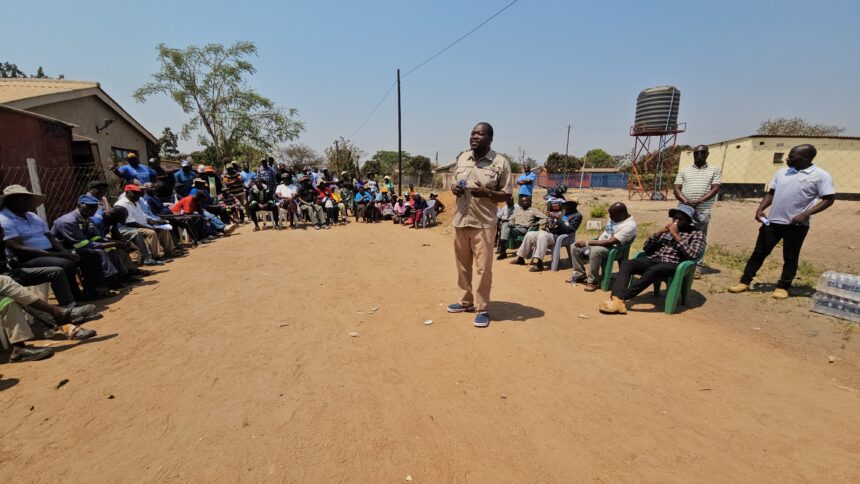
The dire figures were presented to residents during a 2027 Budget Consultation Meeting organised by Ward 7 Cllr Tinashe Machemedze on Saturday.
NTC had budgeted US$145 million for the 2026 financial year.
However, it only managed to collect US$81.5 million from billed services.
Residents, businesses and government departments still owe a staggering US$84 million, more than the total amount collected.
Collapse of Gvt Transfers
The shortfall has been compounded by the collapse of intergovernmental fiscal transfers.
Zimbabwe’s 2013 Constitution mandates that not less than 5% of national revenue raised in any financial year must be allocated to local authorities.
However, since fiscal transfers started in 2019, government has never met the 5% threshold.
A Parliamentary Portfolio Committee analysis found allocations ranged between 0.5% and 2.9% between 2019 and 2023.
Last year, Local Government Minister Daniel Garwe admitted only 2% was disbursed nationally, with funds diverted to El Niño drought relief.
For Norton, the betrayal is even starker.
Out of US$63 million expected for capital projects in 2026, Treasury released US$1.2 million – less than 2% of the promise.
The pattern is national.
According to reports, 86 local authorities received zero devolution disbursements this year, while only six councils got anything at all.
Treasury insists under the Public Finance Management Act, undisbursed funds lapse at year-end and are not carried over.
Devolution? What Devolution
Even when funds are released, councils often have no say in how they are used.
In 2022, government directed US$55 million of devolution money to buy fire tenders from Belarus at US$464,296 each.
It then deducted the cost directly from councils’ allocations over 12 months.
Norton, like other towns, was told how many trucks it would receive.
Bulawa Mayor David Coltart has described this as “decentralisation as a facade”.
Responsibility is pushed down while money and power are retained at the top.
Residents In Economic Crisis
Norton’s US$84 million debt is not unique.
Across Zimbabwe, central government itself is the biggest defaulter on rates, followed by businesses and then households.
Years of hyperinflation, dollarisation shocks, company closures and low disposable incomes have eroded a culture of payment.
Addressing residents, Council Engineer Baureni said the council was now pleading for payment plans.
“We use a program-based budget.
“This means that money can only be used in the area from which it has been received,” Baureni said.
He explained that because of this water fees can only be used for water, and sewer for sewer.
Without devolution funds to fill the gap, potholes, water cuts and uncollected garbage become inevitable.
Baureni urged residents to approach Council offices to make payment plans to alleviate the situation.
———————————————————————————————————
Love what we do?
We’re dedicated to opening up democracy, one article, video and story at a time. If you find our reporting helpful, you can support the Magamba Network team by buying us a coffee. It’s quick, easy, and makes a real difference!
————————————————————————————————————