
By Precious Shumba
In recent weeks, government and local authorities, policymakers and bureaucrats have made misleading arguments about the necessity of prepaid water meters.
In their opinion, paying for electricity is similar to purchasing airtime and water, lumping them all together as equal necessities.
The comparison between prepaid water meters and prepaid electricity meters is both misleading and fundamentally flawed.
The Comparison
Water is a basic human necessity for which there is no substitute.
When people are thirsty, they need water.
One cannot drink juice, soft drinks, or any other beverage as a sustainable replacement for clean and safe water.
Water is essential for life, health, hygiene, and dignity.
Electricity, on the other hand, has alternatives, and people can live without hydro energy, which is the main source of energy in urban areas.
Households can use candles, gas, firewood, charcoal, paraffin, or solar energy for lighting and cooking.
Even where a prepaid electric meter is installed, residents still have the option to turn to these alternatives when they cannot afford electricity.
With water, there is no such choice.
You drink water for survival, not as a luxury.
The push for prepaid water meters appears to be driven less by a desire to improve service delivery and more by profiteering interests.
It raises serious concerns that the real intention is to enrich the companies supplying these meters and to increase revenue collection, rather than addressing the root causes of residents’ dissatisfaction.
Wrong Attitude
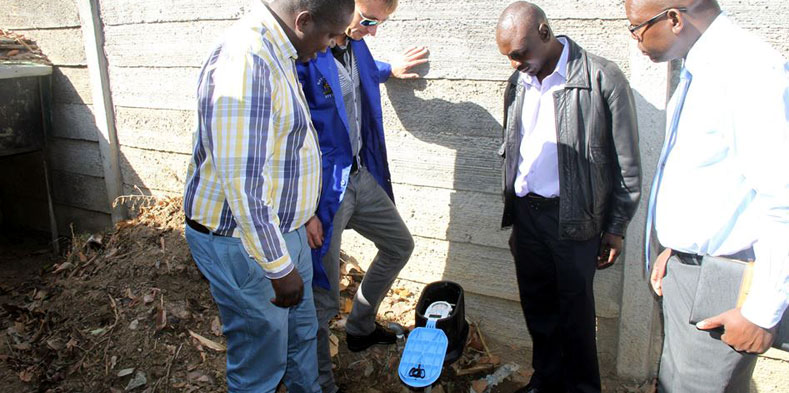
Simply arriving at someone’s property to replace conventional water meters with prepaid water meters, without bothering to introduce themselves or explain the process to residents, is evidence that they do not value citizens’ participation in critical policy-making and decision-making.
Residents are disgruntled because of the poor and unreliable water supply, ageing infrastructure, inconsistent service delivery, and the authorities’ failure to provide adequate clean water to households.
Instead of imposing prepaid water meters, the priority should be to fix the broken water supply system, improve pumping and treatment capacity, repair leaking infrastructure, and restore public confidence through accountable service delivery.
The real issue is not payment mechanisms; it is the failure to provide water in the first place.
When residents are satisfied with the transparent and accountable government governance system, they do not need anyone to encourage them to pay.
They pay to improve living standards and promote value for money.
The installation of prepaid water meters is an elevated form of privatisation designed to weaken local authorities’ governance.
Precious Shumba is the Director for Harare Residents’ Trust and can be contacted on 0772869294