
By Correspondent
If you drove in Harare in the last two months, you were probably caught on camera. Four times.
The city has switched on its first AI-powered traffic enforcement system, and as of October 2026 it had already logged 4.8 million violations up from 2.3 million in mid-August.
What is it?
It is Phase One of the Smart Traffic Management and Surveillance Programme, run by the Ministry of Home Affairs and Cultural Heritage, with TelOne as technical partner and funding from the Mutapa Investment Fund.
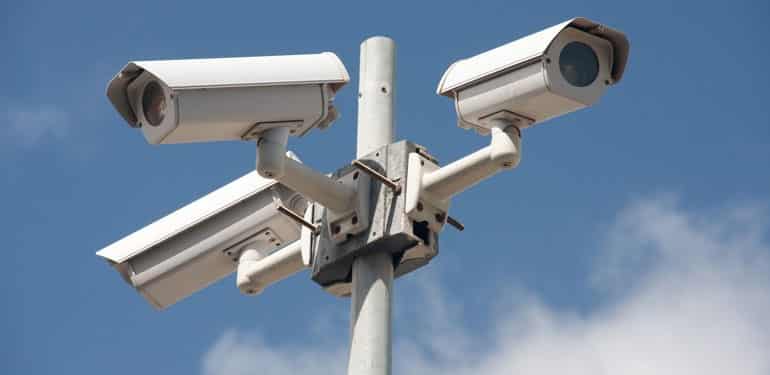
Phase One covers 20 sites at major intersections in central Harare, with over 300 cameras planned for the city and later other towns.
16 sites were already live in July and key junctions include:- Jason Moyo Ave & Simon Muzenda St- Samora Machel Ave & Glenara Ave- Leopold Takawira St & Herbert Chitepo Ave- Robert Mugabe Rd & Nasser Rd- Cripps Rd & Remembrance Drive.
How does it catch you?
Step 1: Detection. AI cameras automatically flag: running red lights, speeding, illegal turns, driving against traffic, phone use while driving, no seatbelt, stopping over the stop line, and kombis loading passengers in the road.
Step 2: Verification.
It is NOT automatic as Officers in a control room at CID Headquarters review each clip to check if the traffic light was working, signs were visible, and if it was a genuine offence.
Step 3: Owner lookup.
Number plate is matched to owner via Central Vehicle Registry (CVR) and ZINARA.
Step 4: Notice.
The registered owner gets an SMS or email with the offence, plus photo/video evidence to view online.
As of this weekend, ZRP says it has begun texting fines with video clips attached.
Step 5: Payment or challenge.
You can pay into a dedicated CBZ Bank account, via mobile banking, or at ZRP traffic offices.
An online e-payment platform is being finalised while one can also elect to go to court to contest it.
Standard offences are billed at Level 3 which is US$30 payable in ZiG at the official rate.
Why 4.8 million?
ZRP spokesperson Commissioner Paul Nyathi says violations jumped 74% from 2.3m to over 4m between August and September, and now 4.8m by October 20.
Police say the figure exposes how much breaking happens when no officer is present red-light running, oncoming traffic driving, and kombis dropping passengers in the middle of the road are the top offences.
The controversy
City records show 21 of 69 signal-controlled intersections in the CBD are non-functional due to power cuts, vandalism or missing bulbs.
Motorists argue it is unfair to fine for red-light violations where lights don’t work, or for lane markings that have faded away.
However Government says that is why human verification exists to throw out cases where infrastructure failed.
The system is set to be officially commissioned by President Mnangagwa soon, but enforcement has already started.
———————————————————————————————————
Love what we do?
We’re dedicated to opening up democracy, one article, video and story at a time. If you find our reporting helpful, you can support the Magamba Network team by buying us a coffee. It’s quick, easy, and makes a real difference!
Buy us a coffee here ☕———————————————————————————————————-